
Coin slot machines have been a part of gaming culture for over a century. These machines accept physical coins as payment and offer players the chance to win prizes or more coins based on random outcomes. A coin slot machine is a gambling or gaming device that operates when you insert coins, which then triggers the reels to spin and potentially award payouts. Today, you can find these machines in casinos, private collections, and even for sale to individual buyers.
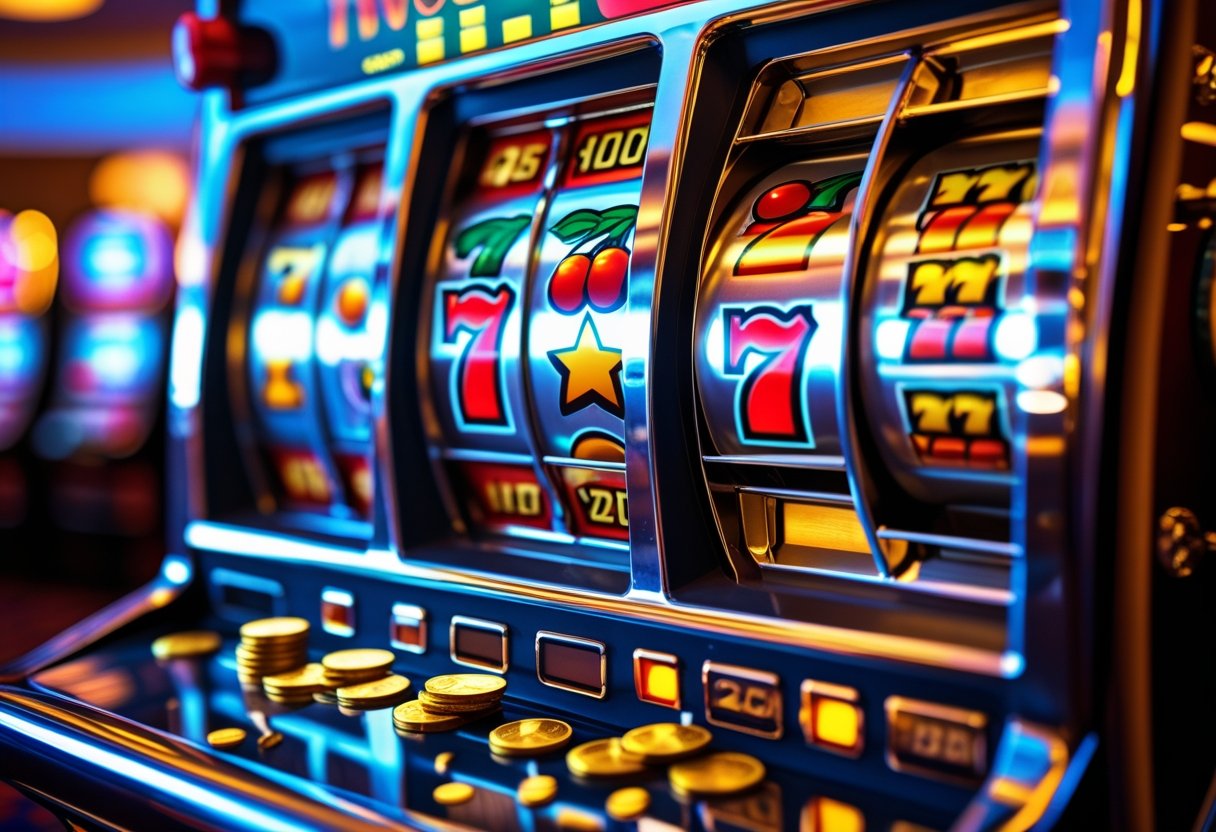
The appeal of coin slot machines goes beyond just playing games. Many people collect vintage and antique models as investments or hobby pieces. Others buy modern coin-operated machines for home game rooms or small businesses. Understanding the different types, features, and where to find them helps you make smart choices whether you want to play, collect, or purchase.
This guide covers everything you need to know about coin slot machines. You’ll learn about their history, the various types available, and what features matter most. We’ll also explain where to buy them and what to look for when adding one to your collection or game room.
What Is a Coin Slot Machine?
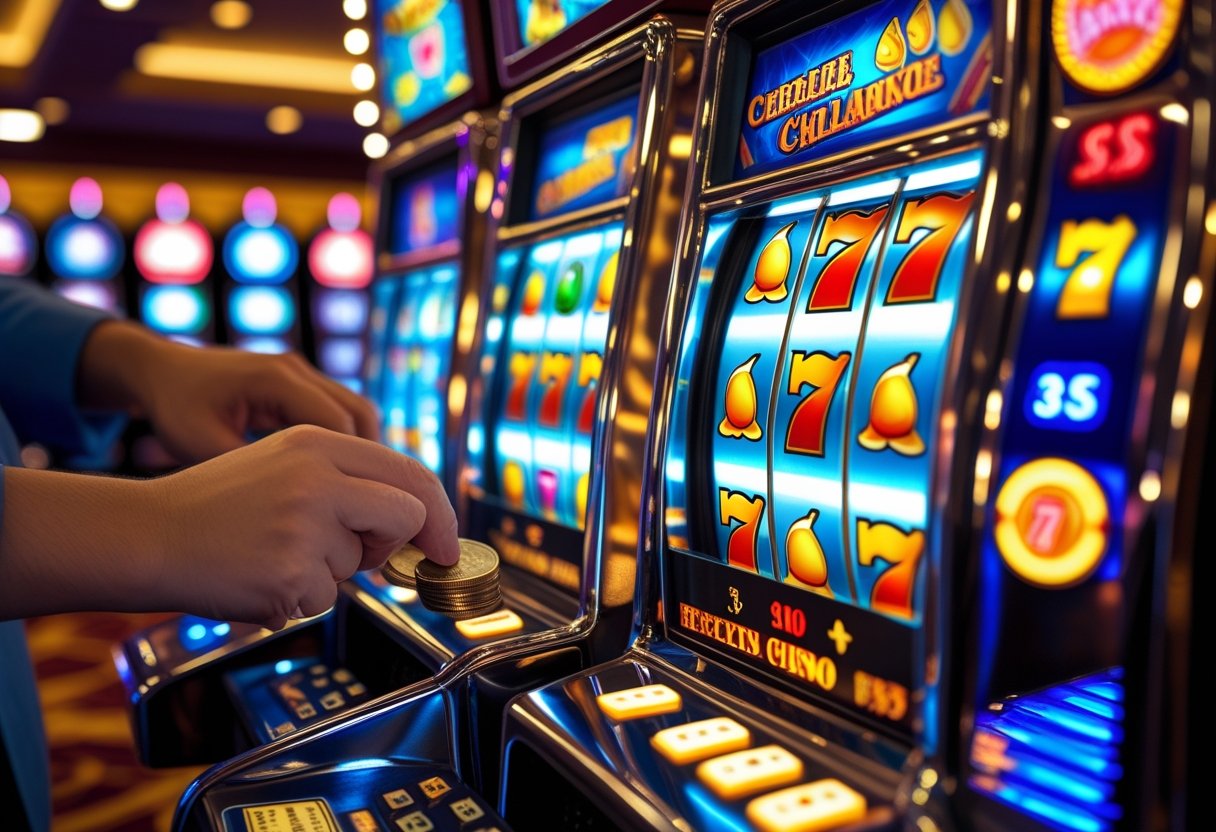
A coin slot machine is a gambling device that requires you to insert physical coins or tokens to play. These machines validate the coins through mechanical or electronic systems before allowing you to spin the reels.
Definition and Core Features
A coin slot machine is a type of slot machine where you deposit coins directly into a narrow opening to activate gameplay. The machine contains an internal mechanism that checks your coin’s size, weight, and metal composition to confirm it’s legitimate currency. Once validated, the machine credits your bet and lets you pull a handle or press a button to spin the reels.
The core features include a coin entry slot, internal sensors or mechanical validators, and a reject mechanism that returns invalid coins. Most coin slot machines display three or more reels with various symbols. When you insert your coin and activate the machine, the reels spin and stop to show a random combination. If the symbols line up in a winning pattern, the machine pays out coins into a tray at the bottom.
These machines typically accept specific denominations like quarters, nickels, or dollar coins. The denomination determines what one credit is worth on that particular machine.
Differences from Modern Slot Machines
Modern slot machines accept paper bills, tickets, or electronic payments instead of coins. You insert cash into a bill validator or use a card system rather than dropping coins into a slot. When you cash out, modern machines print a ticket instead of dispensing coins.
Coin slot machines were the standard in casinos through most of the 20th century. The physical coins created noise and weight that made them harder to maintain. Modern machines solve these problems with digital payment systems.
The gameplay remains similar between coin and modern slot machines. Both use random number generators to determine outcomes. The main difference is how you pay and receive winnings.
Coin Mechanisms and How They Work
The coin mechanism starts when you insert a coin through the entry slot. A chute guides the coin past sensors that measure its diameter and thickness. Mechanical coin slots use spring-loaded gates and weight-based systems to validate coins. If your coin’s weight or size doesn’t match the expected standard, a reject mechanism pushes it back out to you.
Electronic validators use optical sensors and digital recognition technology. These sensors detect your coin’s electromagnetic signature and compare it to stored data for accepted denominations. This method reduces fraud from counterfeit coins or metal slugs.
After validation, the coin travels into a secure storage area inside the machine. The machine credits your account and enables the spin button or handle. Some machines sort different coin denominations into separate internal compartments for easier accounting.
History and Evolution of Coin Slot Machines
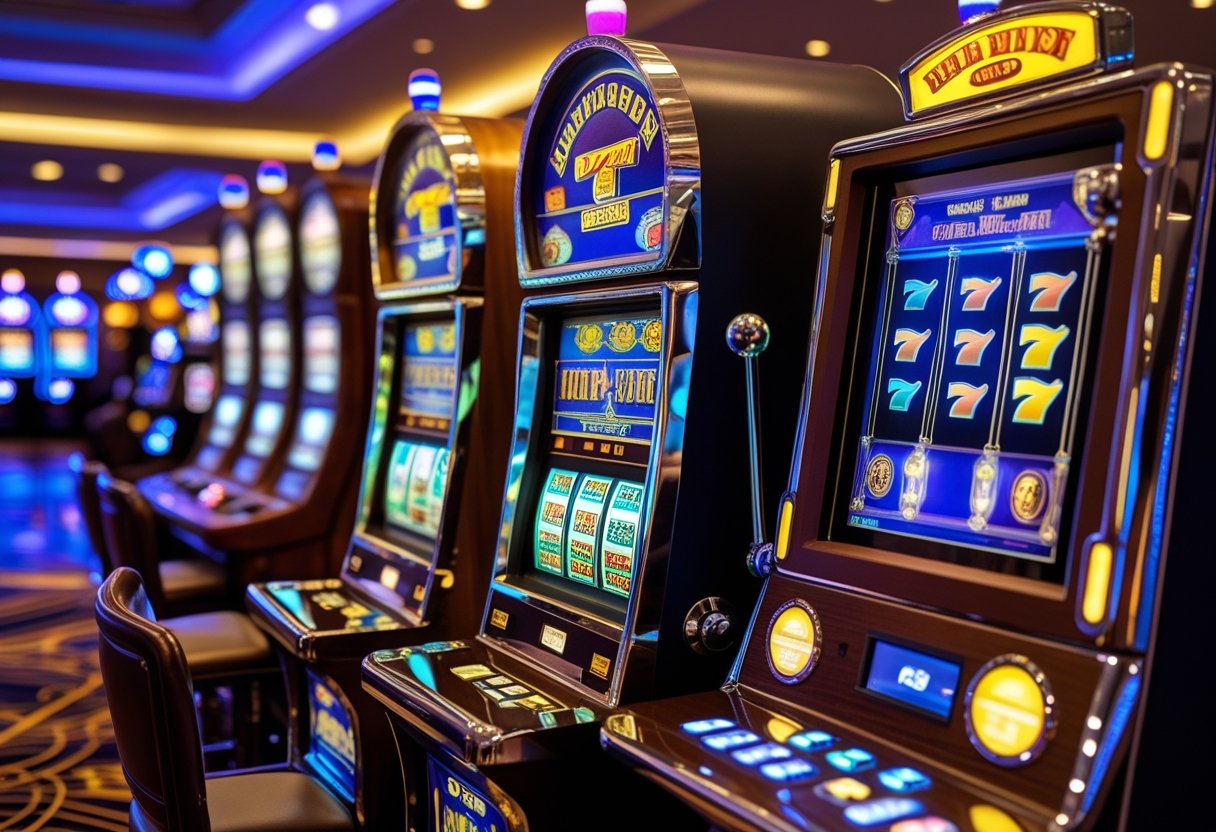
Coin slot machines started as simple mechanical devices in the late 1800s and grew into complex digital systems. The journey from hand-pulled levers to video screens changed how people play and win.
Early Mechanical Designs
The first coin-operated slot machines showed up in saloons during the 1800s. These early machines gave players a new way to test their luck with coins.
Charles Fey created the Liberty Bell in the 1890s. This machine changed everything by introducing automatic payouts. The Liberty Bell used three spinning reels instead of five drums, which made it simpler than earlier designs. You would see symbols like spades, diamonds, horseshoes, and the Liberty Bell on its reels.
The Liberty Bell became one of the most popular machines in the United States. Mills Novelty Company later made their own version and created the Operator’s Bell, which included a gum-vending feature. Players lined up fruit symbols like cherries, lemons, plums, and oranges to win gum. These fruit symbols became standard on classic slot machines.
Players inserted coins and pulled a lever to spin the reels. A spring mechanism gradually stopped the reels, which made players feel like they had some control over the outcome.
Transition to Electric and Digital Models
Bally Manufacturing built the first fully electromechanical slot machine in 1963 called Money Honey. This machine used electronic parts that lasted longer and needed less upkeep than mechanical versions. Money Honey also featured an automatic payout system and a bottomless hopper, so you could collect your winnings without calling an attendant.
The 1970s brought video slot machines with digital displays instead of physical reels. These machines used electronic components and monitors to show the game.
Video slots became safer and harder to cheat. The Nevada State Gaming Commission approved these new machines, and casinos on the Las Vegas Strip started using them. WMS Industries released Reel ‘Em In in 1996, which was the first American video slot with a second bonus screen.
Fortune Coin and Influential Developments
Fortune Coin Company developed the first video slot machine in 1976 in Kearny Mesa, California. This machine used a Sony Trinitron color receiver as its monitor to display digital reels and game elements.
The first Fortune Coin video slot machines went through testing at the Hilton Hotel in Las Vegas. During testing, Fortune Coin made the machines more secure and cheat-resistant. After the Nevada State Gaming Commission gave approval, these video slots spread quickly to other casinos.
This invention marked a major shift in slot machine technology. The digital format opened doors for new features and bonus rounds that mechanical machines could not offer.
Types of Coin Slot Machines
Coin slot machines have evolved through three main technological stages, each offering different mechanics for accepting coins and generating game outcomes. The progression from purely mechanical systems to electronic versions changed how these machines operate and pay out winnings.
Mechanical Coin Slot Machines
Mechanical coin slot machines rely entirely on physical parts like springs, gears, levers, and cams to function. When you insert a coin, it triggers a series of mechanical actions that allow the reels to spin. You pull a lever to start the game, which releases a braking mechanism and sets the reels in motion.
These machines use a metal shaft that supports the reels and connects to a handle mechanism. The coin detector validates your coin through size and weight, unlocking the brake so you can play. When the reels stop, a series of notches and tabs determine if you won based on where the symbols land.
The payout system in mechanical slots works through a simple lever and cam arrangement. If winning symbols align, they trigger metal stoppers that release coins from a hopper inside the machine. You get your winnings immediately through a payout tray at the bottom.
Electromechanical Models
Electromechanical slot machines emerged in the 1970s and combined mechanical reels with electrical components. These machines still accepted coins physically, but they used motors, solenoids, and electromagnets to control the reels instead of purely mechanical parts. You still pulled a lever or pressed a button, but electricity powered the actual spinning action.
The coin handling in these models became more sophisticated. Electric sensors detected your coin and could distinguish between different denominations more accurately than purely mechanical validators. The machines used circuit boards to control the game logic and determine outcomes.
IGT became a major manufacturer of electromechanical slots during this era. Their machines introduced features like multiple coin acceptance and electronic credit meters. Many IGT machines from this period allowed you to play without pulling a lever each time, using a spin button instead.
Video Slot Machines with Coin Handling
Video slot machines replaced physical reels with digital displays but many still accepted coins through the 2000s. These machines used a computerized random number generator (RNG) to determine outcomes, showing results on a screen rather than mechanical reels. You inserted coins into a validator that registered credits electronically.
The coin mechanism in video slots worked as an input device only. Your coins were counted by optical sensors and converted to credits displayed on screen. The machine stored your balance digitally, letting you play multiple games without inserting coins each time.
Modern video slots with coin capability often include bill validators and ticket printers alongside the coin slot. You can cash out using a printed ticket rather than receiving coins, though the machines still accept them for play.
Collecting Coin Slot Machines
Collecting coin slot machines has grown into a serious hobby that combines historical preservation with mechanical appreciation. Values range from a few hundred dollars for common models to over $50,000 for rare antique machines in excellent condition.
Antique and Vintage Coin Slot Machines
Mechanical slot machines from the early 1900s through the 1960s represent the most sought-after pieces in any collection. These machines feature all-metal construction, hand-painted castings, and intricate mechanical systems that operate without electricity. The classic three-reel “one-armed bandit” design with its signature pull lever remains the most recognizable style.
Pre-1950s machines typically showcase superior craftsmanship with detailed metalwork and wooden cabinets. You’ll find cast aluminum or iron frames with colorful enamel finishes that were applied by hand. The internal mechanisms consist of hundreds of precision-machined parts working together through gears, springs, and levers.
Machines from the 1940s and 1950s often include art deco styling and chrome trim. Later vintage models from the 1960s and 1970s introduced electrical components while maintaining mechanical reels. These transitional machines appeal to collectors who want reliability along with vintage aesthetics.
Popular Collectible Brands and Models
Mills Novelty Company produced some of the most collectible machines, including the Mills Liberty Bell, Mills High Top, and Mills Futurity. The Mills Liberty Bell from the 1930s can sell for $3,000 to $8,000 depending on condition. Jennings & Company created popular models like the Jennings Chief and Jennings Standard Chief, known for their distinctive light-up facades.
Watling Manufacturing made the desirable Watling Rol-A-Top and Watling Treasury models. Pace Manufacturing’s Pace Comet and Pace Deluxe models attract collectors for their streamlined designs. Bally Manufacturing emerged as a major producer of electromechanical machines in the 1960s and 1970s.
Highly Sought Models:
- Mills Castle Front
- Caille Superior Jackpot
- Jennings Duchess
- Watling Blue Seal Twin Jackpot
Condition, Restoration, and Value
Original unrestored machines in working condition command premium prices from serious collectors. A fully original Mills slot machine with intact paint, chrome, and functioning mechanism can be worth 30-50% more than a restored example. However, most machines you’ll encounter need some level of restoration work.
Restoration projects require mechanical knowledge and specialized parts. You’ll need to address rust, replace worn springs and gears, and refinish metal castings. Professional restoration services charge $1,500 to $5,000 depending on the machine’s condition and complexity.
Missing parts present the biggest challenge, as original replacement components are scarce. Reproduction parts exist for common models but can affect collectible value. You should inspect the coin mechanism, reel strips, award cards, and payout system before purchasing. Non-working machines typically sell for 40-60% less than functional ones.
Storage conditions impact long-term value. You need to protect machines from humidity, which causes internal corrosion and paint deterioration. Display cases with climate control help preserve your investment.
Buying Coin Slot Machines: Where and How
Finding the right coin slot machine requires knowing where to look, how to verify quality, and understanding the logistics of getting your machine home legally. Major retailers carry both vintage mechanical models and modern electronic machines, though availability varies.
Finding Machines In Stock and Out of Stock
Retailers like Gambler’s Oasis USA maintain rotating inventory of coin slot machines. Their stock changes frequently as machines sell and new units arrive from casino trade-ins and collectors.
When you find a machine listed as in stock, you can typically purchase immediately. Machines marked out of stock may become available again, but this depends on whether the vendor acquires more units of that specific model.
Some dealers stock thousands of machines at any given time, while smaller specialty shops might have 50-100 units. You should contact Gambler’s Oasis or other vendors directly to ask about specific models. Many retailers will take your information and notify you when desired machines become available.
Popular models like IGT Double Diamond or classic Mills machines sell quickly. Less common vintage units might sit in inventory longer but offer more unique appeal for collectors.
Trusted Vendors and Platforms
Physical retailers include Slot Machines Unlimited, Gambler’s Oasis, and specialty coin-operated machine dealers. These stores offer inspected, refurbished units with warranties and lifetime technical support in many cases.
Online marketplaces provide wider selection:
- eBay hosts numerous sellers with vintage and modern machines
- Facebook Marketplace connects local buyers and sellers
- Specialized auction sites cater to collectors
You should verify seller ratings and read reviews before purchasing. Established brick-and-mortar stores offer more buyer protection than individual sellers. Expect to pay $500-800 for late-model casino machines and $1,000+ for sought-after vintage units from the 1950s-1970s.
Extremely low prices often indicate scams or machines needing major repairs.
Inspecting Condition and Authenticity
Check that all mechanical parts function properly before buying. For coin-operated machines, test the coin mechanism with actual quarters to verify it accepts and registers coins correctly.
Examine the cabinet for damage, scratches, or modifications. Original paint and decals increase value for collectors. Look for rust on metal components and cracks in plastic or glass elements.
Ask sellers for documentation showing the machine’s history and provenance. Authentic casino machines sometimes include tags or markings from their original venue. Request photos of the motherboard and internal components to spot aftermarket replacements.
Reputable vendors refurbish machines and disclose any replaced parts. They should answer technical questions about the machine’s working condition honestly. If buying online, request additional photos and videos showing the machine operating.
Shipping and Legal Considerations
Slot machines weigh 150-250 pounds and stand over six feet tall. Shipping costs $200-500 depending on distance and carrier. Some vendors include delivery in the purchase price for local customers.
You must verify your state allows slot machine ownership before buying. Some states prohibit private ownership entirely. Others restrict ownership to machines over 25 years old or manufactured before specific dates.
Measure doorways, hallways, and staircases before delivery. The machine needs clear access to its final location without disassembly. Professional movers experienced with arcade equipment handle transport more safely than general shipping services.
Keep all purchase documentation and receipts. Some states require registration or proof the machine qualifies as an antique under local laws.
Features and Options in Modern Coin Slot Machines
Modern coin slot machines offer features that eliminate the need for constant coin handling while letting you customize your machine to fit specific needs. These updates make machines more practical for home use and commercial settings.
Free Play Option and Ticket-In-Ticket-Out
The free play option removes the requirement to insert coins for every spin. You can flip a switch inside the machine to activate this mode, which lets the reels spin freely without accepting or dispensing coins. This feature works well when you want to practice, demonstrate the machine, or avoid the hassle of loading coins constantly.
Ticket-In-Ticket-Out (TITO) systems represent a major shift in how modern machines handle payouts. Instead of coins pouring into a tray, the machine prints a ticket with your credit value. You can insert this ticket into another machine or cash it at a redemption kiosk. TITO systems reduce the weight of coins you need to carry and speed up gameplay since you don’t wait for coin payouts.
Many older coin machines can be converted to accept TITO technology through retrofit kits. This upgrade maintains the classic coin slot appearance while adding modern convenience.
Customization and Accessories
You can modify your coin slot machine with various accessories and settings. Volume controls let you adjust or mute sound effects, which matters in home settings where noise levels need management. Display brightness settings help you adapt the screen to different lighting conditions.
Physical accessories include custom side panels, replacement glass, and LED lighting kits that change the machine’s appearance. You can install bill validators that accept paper currency alongside coins, expanding payment options. Some machines support custom reel strips with different symbols or themes, though these modifications require technical knowledge to install correctly.
Locking mechanisms and security features protect your machine and its contents. Key switches control access to the coin box and internal components.
Frequently Asked Questions
People often have questions about buying, playing, and owning coin-operated slot machines. Understanding the differences between vintage coin slots and modern electronic versions helps you make informed decisions whether you’re a collector, player, or casino enthusiast.
How can I find coin-operated slot machines for sale?
You can find coin-operated slot machines through specialized dealers who focus on arcade and gaming equipment. Many of these dealers maintain online catalogs with detailed descriptions and photos of available machines. Auction sites like eBay regularly feature vintage and modern coin slots, though you need to verify the seller’s reputation before purchasing.
Estate sales and liquidation auctions sometimes include coin-operated slot machines from closed casinos or private collections. Local classified ads and online marketplaces may also list machines from individual sellers. Gaming equipment trade shows offer opportunities to inspect machines in person and negotiate directly with vendors.
Some companies specialize in refurbishing vintage slot machines for collectors. These businesses often provide warranties and technical support after your purchase.
What are the best strategies for playing coin-operated slot machines?
Set a specific budget before you start playing and stick to it regardless of wins or losses. Coin-operated slot machines use random number generators, so no pattern or timing method can predict outcomes. Your best approach involves choosing machines that match your budget and playing style.
Look for machines with higher payout percentages if that information is available. Playing maximum coins often unlocks higher payout rates or bonus features on many machines. However, this only makes sense if it fits within your budget.
Track your spending by setting time limits for your gaming sessions. Taking breaks helps you avoid impulsive decisions and keeps the experience enjoyable rather than stressful.
Are there specific laws regulating the ownership of coin slot machines for personal use?
Federal law prohibits slot machines manufactured after 1952 unless they’ve been modified to remove gambling functionality. Many states allow you to own vintage slot machines that are 25 years or older for personal use. However, state laws vary significantly, and some states ban all slot machine ownership regardless of age.
You need to check your specific state and local regulations before purchasing a coin-operated slot machine. Some states require special permits or licenses even for antique machines kept at home. Other states allow ownership but prohibit you from using the machines for actual gambling.
Transporting slot machines across state lines may trigger additional legal requirements. Consulting with a lawyer who specializes in gaming law helps you avoid potential legal problems.
What should I consider when looking for the best coin slot machines to play at casinos?
Check the payout percentage information if the casino displays it near the machines. Machines with higher payout percentages return more money to players over time, though individual sessions can vary widely. Denominations matter because quarter machines typically offer better payout rates than penny slots.
Location within the casino can sometimes indicate machine performance. Some players believe that machines near entrances or high-traffic areas pay out more frequently to attract attention. However, modern casino floor management is more sophisticated, and this theory doesn’t always hold true.
Consider the machine’s volatility level if that information is available. Low volatility machines pay out smaller amounts more frequently, while high volatility machines offer larger jackpots but less frequent wins. Choose based on your bankroll size and risk tolerance.
How do mechanics of coin-operated slot machines differ from modern electronic slots?
Coin-operated slot machines use physical reels with actual symbols printed on them. When you pull the lever or press the spin button, mechanical parts physically rotate the reels. The outcome is determined by where the reels stop, controlled by mechanical stops or early electronic components.
Modern electronic slots display virtual reels on video screens. The results are determined by computerized random number generators that calculate outcomes the moment you press the spin button. The spinning animation you see is just for visual effect.
Coin-operated machines require physical coins for play and dispense actual coins when you win. Electronic slots use ticket-in, ticket-out systems or electronic credits. Maintenance requirements differ significantly, with mechanical machines needing more frequent servicing of physical parts like gears, springs, and coin mechanisms.
Where can I locate casinos that still offer traditional coin-operated slot machines?
Most major casinos have transitioned completely to ticket-in, ticket-out systems and no longer offer true coin-operated machines. Smaller regional casinos and older gambling establishments are your best bet for finding traditional coin slots. Native American casinos in rural areas sometimes maintain a few vintage coin-operated machines for nostalgic players.
Las Vegas has a few casinos that keep vintage coin-operated slots on their floors as novelty attractions. These machines are often located in designated areas or near casino museums. You can call casinos directly to ask if they maintain any coin-operated slot machines before visiting.
Some cruise ships still operate coin-based slot machines in their casinos. Online casino directories and gambling forums can help you identify specific locations that maintain traditional coin-operated slots. Visiting during off-peak times may give you better access to these increasingly rare machines.